


How to Optimize Your Content for AI-Generated Answers
AI Content Optimization: Enhance Digital Strategies
AI content optimization is transforming how we create and refine digital content. It leverages advanced tools to enhance quality and relevance.
Content creators can now harness AI to streamline their processes. This means more time for creativity and less on repetitive tasks.
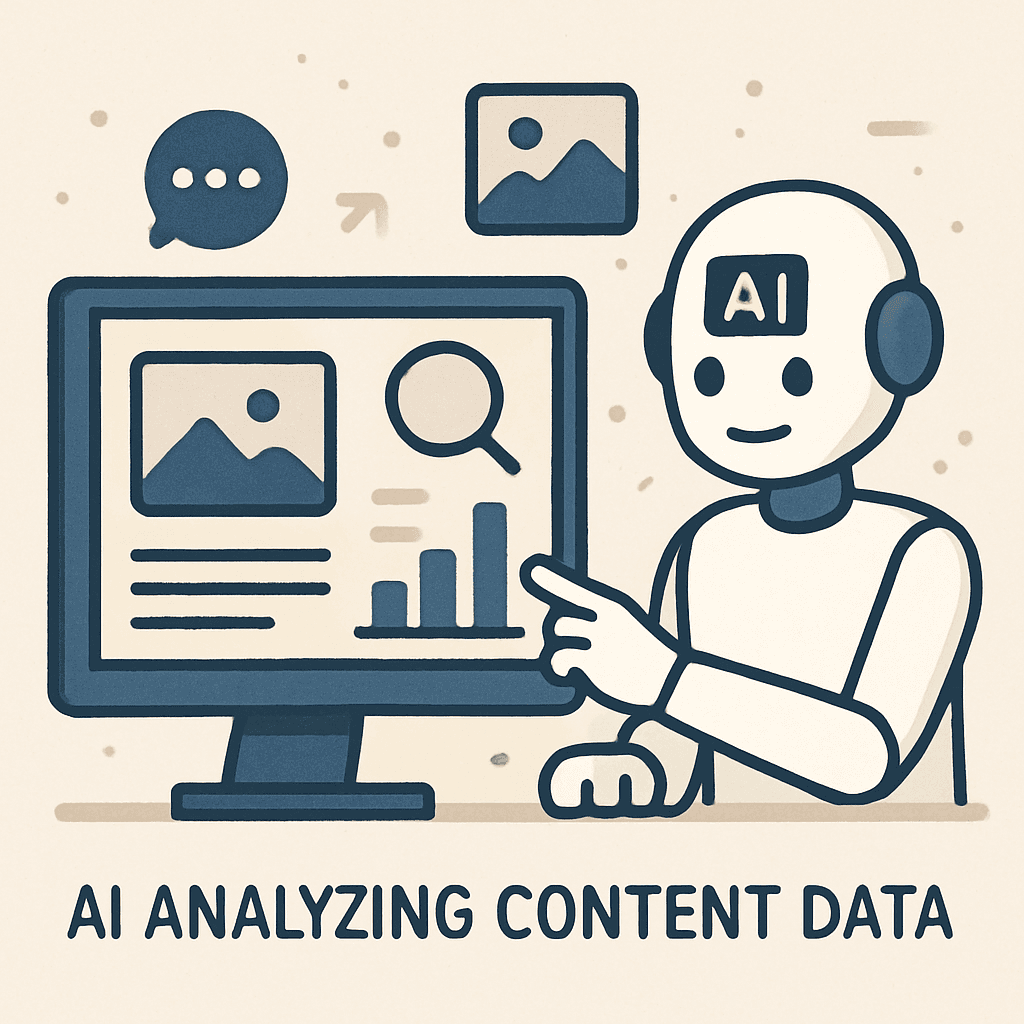
AI-powered content optimization tools analyze vast datasets. They identify trending topics and suggest keywords that resonate with audiences.
Smart content creation involves using AI to generate ideas and outlines. This helps in crafting content that aligns with user intent.
AI can also optimize content for voice search and natural language processing. This ensures your content is accessible and engaging.
Personalization is another key benefit. AI helps tailor content for different audience segments, enhancing user experience.
AI-driven SEO tools refine on-page elements like meta tags and headlines. This boosts search engine rankings and visibility.
Embracing AI in content strategy is essential for staying competitive. It offers a smarter, more efficient approach to content creation.
Understanding AI Content Optimization
AI content optimization is all about using artificial intelligence to make content better. It focuses on improving quality, relevance, and performance.
Artificial intelligence tools can analyze data quickly and efficiently. They examine trends, keywords, and audience preferences to guide content strategies.
With AI, content creators can focus on strategy rather than tedious tasks. Automation handles routine activities like proofreading and keyword placement.
Key features of AI content optimization include:
- Identifying trending topics
- Enhancing readability
- Personalizing content
These features help create relevant and engaging content. AI helps in adapting content for different formats and platforms, enhancing reach and impact.
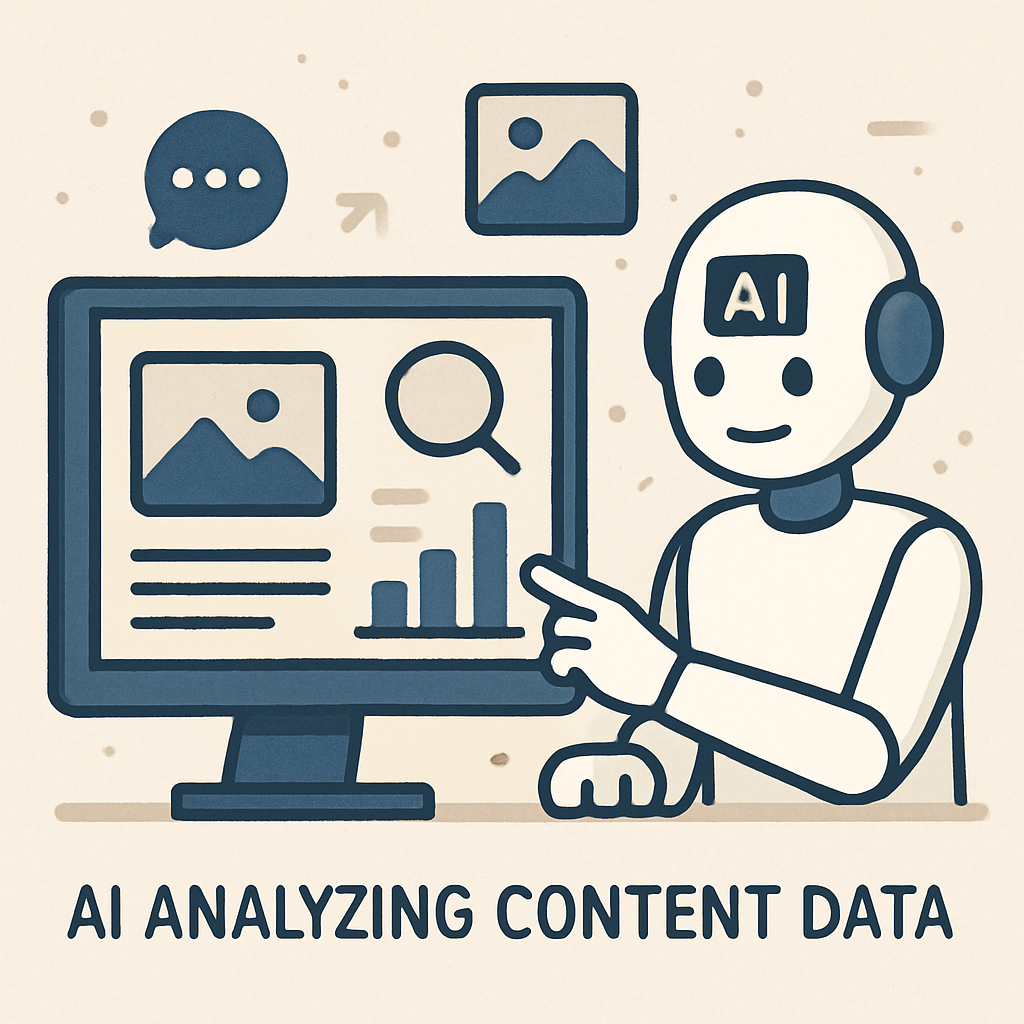
AI can learn and adapt to changes in search engines and audience behavior. It ensures content stays aligned with current trends and demands.
Understanding AI’s role in content creation can transform strategies. By leveraging AI, businesses can maintain a competitive edge in the digital landscape.
Why AI-Generated Answers Matter for Content Creators
AI-generated answers are revolutionizing how users find information online. For content creators, this evolution presents both a challenge and an opportunity.
With AI, search engines provide precise, context-driven answers. This means content must be accurate and relevant to be featured.
Here’s why AI-generated answers are crucial for creators:
- Enhanced visibility in search results
- Improved audience engagement
- Faster response times for users
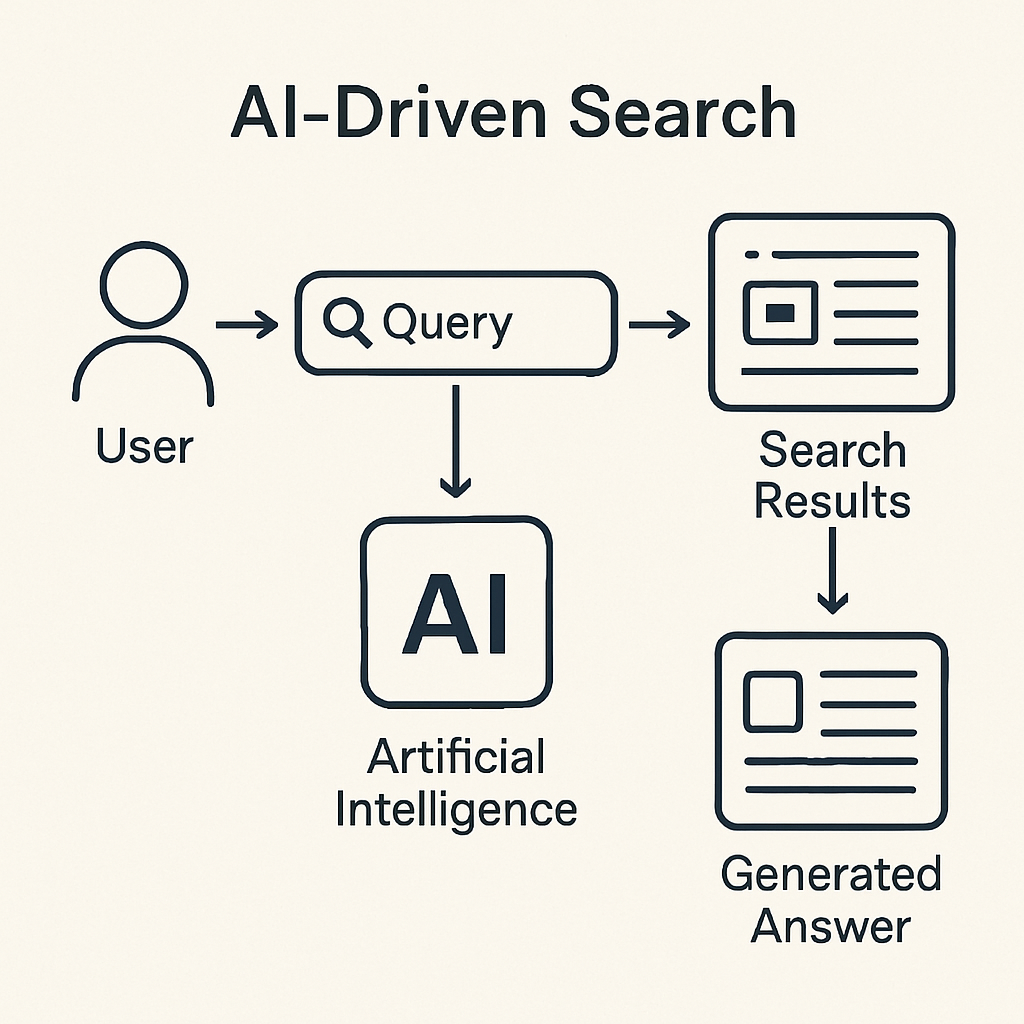
To secure top spots in search results, content must be tailored for AI. This involves focusing on quality, relevance, and comprehensiveness.
AI-generated answers can boost brand authority and reach. When content addresses user needs effectively, it gains more trust and engagement. Creators who understand AI’s impact can tailor their strategies for success. Embracing this shift ensures they meet audience demands while securing a competitive advantage. By leveraging AI-powered insights, creators can produce content that not only informs but also captivates and converts.
How AI-Powered Content Optimization Works
AI-powered content optimization involves sophisticated algorithms analyzing content to enhance its effectiveness. These algorithms focus on user engagement, driving traffic, and improving SEO rankings.
By leveraging AI, content creators gain insights into audience preferences. AI tools analyze large datasets to pinpoint trending topics and preferred formats.
AI identifies optimal keywords, ensuring content matches search queries and user intent. This precision in keyword targeting boosts visibility and search relevance.
Key benefits of AI-powered content optimization include:
- Automated content analysis for faster insights
- Predictive analytics to gauge content performance
- Real-time adjustments for improved user engagement

AI tools also suggest improvements for readability and coherence. They assess various aspects, including grammar, tone, and structure. This ensures that content is both compelling and easily understood.
By automating mundane tasks, AI allows creators to focus on strategy and creativity. The constant evolution of AI technologies means content can be adapted quickly, keeping it ahead of the competition. Embracing these tools not only enhances efficiency but also ensures content remains impactful and aligned with user needs.
Key Elements of Smart Content Creation for AI
Smart content creation harnesses AI to craft engaging and precise content. The process involves several crucial elements, each enhancing content quality and relevance.
AI-generated content requires a solid understanding of user intent. By analyzing search queries, AI tools tailor content to meet user expectations.
Personalization is another key element. AI can customize content for different audience segments. This personal touch improves engagement and builds loyalty.
To create smart content, consider:
- Audience analysis and segmentation
- Content customization based on user behavior
AI also plays a role in content editing. Grammar, tone, and style suggestions improve readability and coherence. This ensures a consistent brand voice across platforms.
SEO optimization is integral to smart content. With AI, you can optimize titles, meta descriptions, and schema markup. This boosts visibility and search engine rankings.
Important SEO elements include:
- Keyword optimization and clustering
- Enhanced meta tags and headers
AI assists in identifying content opportunities. Tools analyze gaps in existing content and suggest topics of interest. This proactive approach keeps content relevant.
Collaborating with AI tools fosters creativity by streamlining mundane tasks. This collaboration between technology and creativity leads to dynamic content that resonates with audiences. By embracing AI, content creators can maintain a competitive edge in a rapidly evolving digital landscape.
Researching and Selecting the Right Topics with AI
Finding the right topics is crucial for effective content creation. AI tools simplify this task by analyzing massive datasets. They identify trending topics, ensuring content relevance.
AI-driven topic research involves scanning search queries and social media chatter. This insight reveals what audiences are curious about. With this knowledge, creators can focus on what truly matters to readers.
Topic selection is not just about trends. It’s about aligning content with brand goals and audience needs. AI tools help by offering personalized topic recommendations based on audience behavior.
Consider these steps when selecting topics with AI:
- Analyze search trends and queries
- Review competitor content for gaps
- Align topics with audience interests and brand goals
AI’s predictive capabilities also aid in forecasting future topic trends. By understanding shifting audience preferences, creators can craft content that stays ahead of the curve. This proactive approach keeps engagement high, ensuring content remains impactful and timely.
Optimizing for User Intent and Search Relevance
Understanding user intent is vital for creating content that resonates. AI tools excel at deciphering search patterns and user behaviors. These insights guide creators in crafting content that satisfies search queries efficiently.
User intent categories often include informational, navigational, transactional, and commercial queries. AI can predict which type of intent a user has, helping tailor content to meet these needs. This ensures the content aligns with what audiences are searching for, leading to better engagement.
Keyword relevance is another aspect where AI shines. AI tools suggest keywords based on user intent and current trends. By targeting these keywords, content becomes more visible in search results, boosting organic traffic.
To optimize for user intent, consider these steps:
- Analyze user queries and search behaviors
- Categorize intent types to match content with user goals
- Use AI-driven keyword suggestions to improve relevance
By focusing on intent and relevance, content becomes a solution to the user’s search. This not only increases the likelihood of ranking higher but also enhances the user experience. Engaging content that meets user expectations fosters trust and loyalty, crucial components for any content strategy.
Structuring Content for AI Readability and Quoting
Structuring content effectively is key for AI readability. Simple and organized content enables AI to parse and generate answers easily. This means using clear headings, bullet points, and concise sentences.
AI tends to favor content that is well-structured with a logical flow. By organizing information hierarchically, with main ideas leading to supporting details, content becomes more digestible.
Creating content sections with distinctive headings helps AI algorithms identify and extract relevant information. This not only aids in AI-generated content but also improves overall user experience.
Consider these practices for structuring content:
- Use a clear hierarchical structure with headings and subheadings
- Implement bullet points and numbered lists for easy scanning
- Write concise, focused paragraphs for clarity
With a structured approach, content becomes easier for AI to read and quote. This optimizes content for featured snippets and other AI-generated answers. Ultimately, a well-structured piece is beneficial for both users and algorithms, enhancing search visibility and engagement.
Creating Comprehensive, In-Depth Content for AI
To optimize content for AI, creating comprehensive material is crucial. Deeply researched topics give AI plenty of data to work with. This is key for generating accurate and insightful answers.
In-depth content means covering multiple angles and aspects of a topic. It should answer potential questions a user might have. By providing this level of detail, AI algorithms are more likely to find the information valuable.
Such content often includes data, statistics, and expert opinions. These elements add credibility and depth, enhancing AI content optimization. This approach improves how AI assesses and retrieves your content.
Consider this checklist for comprehensive content creation:
- Conduct thorough research across reputable sources
- Include expert opinions and case studies
- Provide data and statistics with sources
Ultimately, writing detailed, comprehensive content is beneficial for AI and user engagement. By thoroughly covering a topic, you ensure that both AI and readers find it valuable. This leads to better search rankings and increased visibility in AI-generated answers.
Leveraging AI Tools for Keyword Research and Clustering
AI tools revolutionize how we conduct keyword research. They analyze vast amounts of data quickly and efficiently. This capability uncovers not just primary keywords but also related and long-tail options.
Keyword clustering groups related terms based on context and user intent. AI tools excel at clustering, saving time and improving strategy. This process ensures your content meets varied search queries.
By leveraging AI in keyword research, you gain insights into trending topics. This positions your content strategically in response to market needs. AI tools highlight patterns and opportunities human analysis might miss.
Consider these advantages of AI-powered keyword research:
- Identifies effective keywords quickly
- Discovers long-tail and niche terms
- Highlights content opportunities
Ultimately, AI tools for keyword research improve your content’s search engine performance. By using these intelligent systems, you can focus your efforts on smart content creation. This enhances both visibility and relevance in AI-generated contexts.
Enhancing On-Page Elements: Titles, Meta, and Schema
Effective on-page optimization significantly impacts AI-generated answers. First impressions matter, beginning with your title tag. Titles should be engaging and keyword-rich. They guide both users and AI systems to understand the content.
The meta description acts as a summary in search results. This snippet should capture attention and include primary keywords. Though it doesn’t directly affect rankings, it influences click-through rates.
Implementing schema markup enhances your content’s visibility to AI. Schema provides structured data, helping search engines categorize and present information. It can increase the chances of appearing in rich snippets or featured results.
Consider these steps for on-page optimization:
- Craft concise, descriptive title tags
- Include targeted keywords in meta descriptions
- Use schema markup to enrich data
By optimizing these elements, your content becomes more accessible to AI algorithms. This approach ensures better indexing and improves the chances of being cited by AI in relevant searches. Ultimately, it leads to a more intelligent content strategy.
Personalization and Audience Segmentation with AI
AI enables personalized content experiences that resonate deeply with users. Knowing your audience is key to smart content creation. AI tools can analyze user data to reveal distinct audience segments. This helps tailor content that appeals to specific groups.
Audience segmentation allows for targeted content delivery. AI algorithms process behavioral patterns and preferences. This creates a personalized approach, enhancing user engagement and satisfaction. Tailored content can improve connection and loyalty.
Utilizing AI for personalization involves:
- Analyzing user behavior data
- Segregating audience into distinct segments
- Customizing content for each segment
Personalized content meets user expectations more accurately. It ensures the right content reaches the right audience at the best time. By engaging users with relevant content, your strategy becomes more effective and impactful. AI-driven personalization gives content creators the competitive edge in a crowded digital landscape.
Optimizing for Voice Search and Multimodal AI
Voice search is growing rapidly due to smart devices. This trend requires a fresh approach to content optimization. Voice queries tend to be longer and conversational.
Multimodal AI enhances these experiences by combining text, voice, and visual inputs. To optimize for these technologies, focus on natural language and structured data. This includes using questions and concise answers.
Key optimization tactics include:
- Implementing structured data
- Using natural language
- Answering potential questions directly
Embrace conversational tones, making your content ready for voice assistants. Think about how your audience phrases their queries aloud. Prioritize local information, as voice searches often seek immediate answers. Multimodal AI widens your reach by catering to various user preferences.
Accessibility, Readability, and Content Quality
Ensuring your content is accessible broadens your audience. This means catering to users with diverse needs and abilities. Using AI, you can enhance accessibility with tools that improve readability and design.
Readability is equally crucial for user engagement. Clear, concise language helps retain attention. Aim for text that is easy to understand, even at a glance.
To achieve high content quality, focus on:
- Simple sentence structures
- Clear formatting
- Adequate contrast in colors
Regularly assess your content for errors, both textual and visual. Consistent updates and refinements keep your content high-quality and effective. By marrying accessibility with readability, your content will attract more users and encourage them to engage deeply.
Using AI to Identify Content Gaps and Opportunities
AI can revolutionize how you identify content gaps. Leveraging AI tools allows you to discover areas where content is lacking. These tools provide insights by analyzing competitor content and industry trends.
Identifying opportunities requires examining what your audience seeks. AI algorithms can track user behavior and preferences to highlight these needs. With AI, you can focus on topics that audiences find engaging and relevant.
To effectively find content gaps and opportunities, consider:
- Analyzing competitor strengths and weaknesses
- Monitoring industry shifts and emerging trends
- Evaluating ongoing audience feedback
By addressing these gaps, you ensure that your content strategy remains effective and competitive. Embracing AI tools can guide you toward smarter content decisions and innovation, enabling a more comprehensive content roadmap.
Measuring Success: Tracking AI-Driven Content Performance
Measuring content success is essential. With AI, this process becomes data-driven and precise. AI tools can track key performance metrics in real-time, offering actionable insights. This enables quick adjustments based on audience engagement and response.
To gauge the impact of your AI-optimized content, focus on the following metrics:
- Engagement rates and user interaction
- Conversion rates and lead generation
- Traffic growth and search rankings
AI also identifies content that resonates best with your audience. By tracking user feedback and engagement patterns, you refine your strategy for better performance. This ongoing analysis ensures your content remains relevant and impactful, aligning with evolving audience expectations.
Best Practices for AI Content Optimization in 2024 and Beyond
To thrive in the AI-driven landscape, focus on integrating cutting-edge practices. AI content optimization requires adapting to ever-evolving algorithms and user behaviors. By doing so, you ensure your content remains impactful and relevant.
Prioritize these strategies as you move forward:
- Continuously update content with AI insights
- Embrace AI for predictive analysis and trend forecasting
Incorporating AI effectively requires a nuanced approach. It’s not just about automation but enhancing human creativity with AI precision. This involves leveraging AI tools while focusing on creative content development.
Keep an eye on emerging AI trends. Stay informed about updates in AI technology and their implications for content marketing. By aligning your strategy with these trends, you maintain a competitive edge and foster deeper audience connections. Always blend technological advancements with human touch for optimized content.
Common Pitfalls and How to Avoid Them
When optimizing content with AI, certain pitfalls are easy to fall into. Recognizing these can prevent setbacks and inefficiencies in your strategy. Awareness and proactive management are key to overcoming these challenges.
Common pitfalls include:
- Over-reliance on AI without human oversight
- Neglecting content personalization
- Ignoring user feedback
Each of these can impact your content’s effectiveness and audience engagement. Balance AI automation with human creativity to maintain authenticity. Personalization is crucial; tailor content to different audience segments for maximum impact.
User feedback is a goldmine for improvement. Encourage feedback and be ready to adapt your strategy accordingly. This iterative process ensures your content stays aligned with audience needs and preferences. Avoid pitfalls by maintaining a careful balance between technology and human insight, ensuring success in AI content optimization.
The Future of AI Content Optimization
The future of AI content optimization looks promising. Rapid advancements in AI continue to revolutionize how we create and optimize content. Staying ahead of these trends is crucial for maintaining a competitive edge.
Emerging technologies such as neural networks and machine learning offer exciting possibilities. They can predict content trends, analyze complex data sets, and provide dynamic insights for strategy adjustments. These tools can significantly enhance content personalization and user engagement.
Key future trends include:
- Real-time data analytics for immediate feedback
- Advanced algorithms predicting audience preferences
- Integration of AI in cross-platform content delivery
As these trends evolve, expect more refined user experiences and increased automation. Embracing these changes will ensure your content remains relevant, compelling, and optimized for the ever-evolving digital landscape.
Conclusion: Embracing AI for Smarter Content Creation
AI has become an indispensable part of content creation. It boosts efficiency and enhances the quality of outcomes. By leveraging AI tools, you can achieve smarter, more tailored content strategies.
Embracing AI is not just about technology; it’s about innovation and growth. Staying informed about AI trends ensures that your content keeps pace with the digital world. This strategic adoption can lead to better engagement and higher success rates.