


Local SEO Guide: Step-by-Step Guide for Business Success
Local SEO Optimization Guide
Local SEO is vital for businesses aiming to attract nearby customers. It enhances your online visibility in local search results.
This guide will walk you through optimizing your local SEO step by step. You’ll learn how to improve your local search presence effectively.
From setting up your Google Business Profile to managing online reviews, we’ve got you covered.
Our guide is perfect for small business owners and local marketers.
Get ready to boost your local visibility and attract more customers with our comprehensive local SEO tips.
What Is Local SEO and Why Does It Matter?
Local SEO focuses on optimizing your online presence to attract local customers. It’s crucial for businesses serving a specific geographic area. Enhancing local search results can significantly increase foot traffic and sales.
A well-executed local SEO strategy benefits small and medium businesses immensely. It helps potential customers find your business easily when searching for products or services nearby. This visibility is crucial in today’s digital age.
The key elements of local SEO include:
- Google Business Profile
- Local keywords
- Online reviews
- Local citations
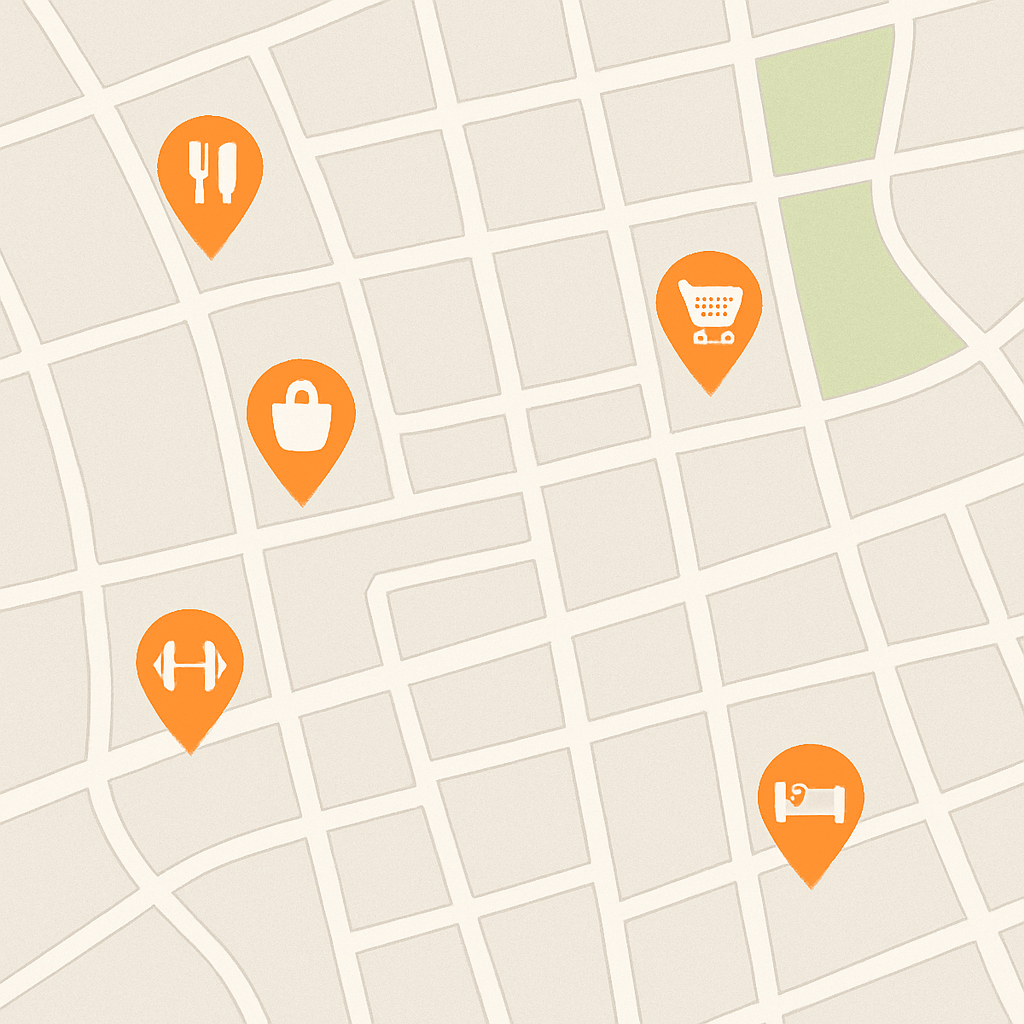
Investing in local SEO ensures you stay competitive in local markets. By improving your visibility, you connect with customers ready to engage with your business. Ignoring local SEO can lead to missed opportunities and decreased sales. Thus, understanding and implementing local SEO techniques is essential for your business’s growth and success.
Step 1: Set Up and Optimize Your Google Business Profile
Setting up a Google Business Profile is fundamental for local SEO. It allows your business to appear in local searches and Google Maps. Start by claiming your profile.
Completing your profile is crucial. Include vital information such as your business name, address, and phone number. This information is key for search engines and potential customers.
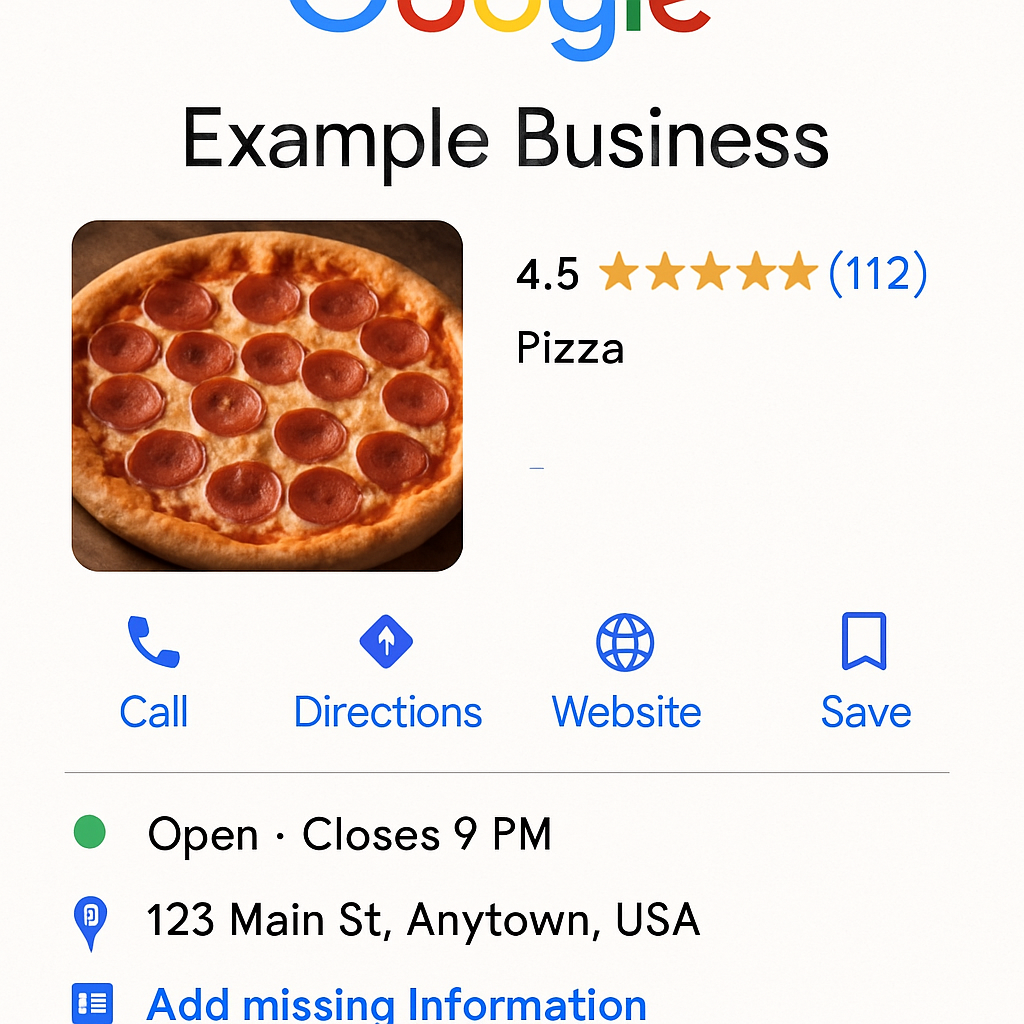
Ensure your business hours and categories are accurate. These details help potential customers know when you’re open. Correct categorization increases relevance in specific searches.
To optimize further, add photos of your business and products. Visuals enhance engagement and make your profile appealing. Showcase your best customer experiences.
A checklist for optimizing your profile includes:
- Consistent NAP information
- Accurate business hours
- High-quality photos
- Regular updates and posts

Regular updates keep your profile fresh and appealing. Post promotions, updates, and events. This keeps your audience informed and engaged.
Step 2: Ensure NAP Consistency Across All Platforms
NAP stands for Name, Address, and Phone number. Consistency is vital for building trust with both search engines and customers. Inconsistencies can confuse search engines, impacting your local rankings negatively.
You need to verify that your NAP details are uniform on all online listings. This includes your website, social media profiles, and local directories. Any variation can create confusion and hurt your local SEO efforts.
A helpful checklist for maintaining NAP consistency:
- Double-check all online listings
- Monitor regularly for changes
- Update info promptly when necessary
Keeping your NAP details consistent across platforms maintains your local SEO integrity. It enhances your business’s visibility and reliability online, attracting more local customers.
Step 3: Conduct Local Keyword Research
Local keyword research is crucial for boosting your visibility in local searches. Start by identifying terms your potential customers use when looking for your services or products.
Use tools like Google Keyword Planner and Ubersuggest to find local keywords. Focus on location-based phrases paired with your main services. For example, “plumber in Boston” or “San Diego coffee shop.”
Consider this approach to develop a local keyword list:
- Identify your primary services
- Pair services with specific locations
- Use tools to validate search volume
Incorporate these keywords into your website content, meta tags, and descriptions. This practice enhances your site’s relevance for search queries, attracting local traffic. A targeted keyword strategy is fundamental for effective local SEO optimization.
Step 4: Optimize Your Website for Local Search
Optimizing your website for local search involves enhancing specific elements to improve visibility. Start by ensuring your site is mobile-friendly, as many local searches occur on smartphones. A responsive design can boost user experience and rankings.
Next, enhance your on-page SEO by incorporating local keywords into title tags and meta descriptions. Clearly indicate your location in strategic areas like headers and footers. Using local keywords assists search engines in associating your website with relevant local searches.
Focus on these on-page elements:
- Title tags with local keywords
- Meta descriptions including location
- Headers reflecting your geographical area
Structure your website to simplify navigation for users and search engines. An organized site aids indexing and improves user engagement. Fast loading times are essential for retaining users and optimizing search rankings.
Furthermore, leverage schema markup to highlight your business details. Structured data helps search engines interpret your business information accurately. Proper website optimization forms the backbone of effective local SEO.
Step 5: Create and Promote Localized Content
Localized content plays a crucial role in attracting local customers. Craft content that resonates with your community’s interests and needs. Highlight local events, news, or stories relevant to your business.
Producing high-quality content can significantly boost local SEO. Engage readers with blogs, videos, and other content types. This approach not only informs but also engages your audience effectively.
To promote this content, consider using social media platforms where locals engage. Frequent sharing of localized content on these channels can increase visibility and engagement. Consistency is key to keeping your audience informed and interested.
Here are some localized content ideas:
- Blog posts about local events
- Videos featuring local landmarks or customs
- Interviews with local influencers or partners
By focusing on localized content, you create stronger connections with your community and improve local search rankings.
Step 6: Build Local Citations and Directory Listings
Local citations and directory listings boost credibility and visibility. They involve mentioning your business on various platforms with accurate details. Ensure that your Name, Address, and Phone number (NAP) are consistent.
Adding your business to reputable local directories can enhance search rankings. It also helps search engines verify your business’s existence and location. The more consistent your citations, the better your local SEO results.
Consider these platforms for listing your business:
- Yelp
- Yellow Pages
- TripAdvisor
Regularly check and update your listings to maintain accuracy. This vigilance ensures that potential customers always find the correct information. Building citations is a foundational step in strengthening local online presence.
Step 7: Manage and Encourage Online Reviews
Online reviews play a key role in local SEO. Positive reviews increase trust and influence potential customers. They also signal to search engines that your business is reputable.
Encourage customers to leave feedback after every purchase or service. An easy method is to request it via email or social media. A friendly reminder can often lead to valuable endorsements.

Respond to all reviews, both positive and negative. Engage with customers to show you value their input. This also helps improve relationships and creates a dialogue.
Create a strategy to gather more positive feedback. You might use incentives like discounts for future purchases. Always maintain transparency and authenticity in all interactions.
Step 8: Implement Local Link Building Strategies
Effective local link building boosts your SEO by enhancing credibility. Quality backlinks from reputable local sites improve your site’s authority. This, in turn, helps improve your ranking in local search results.
Consider collaborating with local businesses. Partnerships or sponsorships can lead to mutually beneficial linking opportunities. Join local business associations to connect with other local websites.
Explore these local link-building methods:
- Partner with local bloggers for guest posts.
- Sponsor local events or charities.
- Join industry-specific groups or forums.
Focusing on local link-building strategies will strengthen your online presence. It enhances trustworthiness with search engines and local customers alike. Always prioritize relationships that naturally align with your brand and values.
Step 9: Use Schema Markup and Structured Data
Schema markup helps search engines understand your business details better. It enhances how your information appears in search results. This can lead to higher visibility and better click-through rates.
Implementing structured data is straightforward. It provides rich snippets, like displaying your business hours or ratings. This makes your listing more attractive to potential customers.

Consider these types of schema markup:
- Local Business Schema
- Product Schema
- Review Schema
Using schema markup effectively can give you an edge in local search. It helps your business stand out with detailed, engaging search listings.
Step 10: Optimize for Mobile and User Experience
Many local searches happen on mobile phones. Ensure your website loads quickly and displays well on these devices. A mobile-friendly site improves user satisfaction.
Focus on user experience by simplifying navigation and minimizing load times. A seamless experience keeps visitors engaged and encourages conversions.

Key optimizations include:
- Fast loading times
- Clear call-to-action buttons
- User-friendly navigation
By prioritizing mobile optimization, you cater to an on-the-go audience. This can lead to more visits and increased sales for your business.
Step 11: Track, Analyze, and Adjust Your Local SEO Efforts
Tracking and analyzing your local SEO efforts is crucial for success. Use tools like Google Analytics and Search Console to monitor your progress. These tools reveal insights into how local customers find you.
Adjust your strategy based on what you learn. By understanding your metrics, you can refine your tactics to improve results over time.
 Important analytics tasks include:
- Monitoring keyword performance
- Tracking website traffic
- Reviewing conversion rates
Regular analysis helps maintain a competitive edge, ensuring your local SEO strategy evolves effectively.
Local SEO Checklist: Quick Reference
Ensure all local SEO steps are consistently followed with this quick checklist. Keep your strategy organized and effective by checking off each task as completed.
- Claim and optimize Google Business Profile
- Ensure NAP consistency everywhere
- Conduct thorough local keyword research
- Optimize website for local searches
- Build local citations and directory listings
- Encourage and manage online reviews
- Implement local link building strategies
- Use schema markup and structured data
- Optimize for mobile and user experience
- Track and adjust SEO efforts regularly
Conclusion: Take Action and Grow Your Local Presence
Harnessing the power of local SEO can transform your business’s visibility and customer base. By following this step-by-step guide, you’re well on your way to enhancing your online presence.
Consistency and adaptation are key. Regularly update and refine your strategies to respond to changing trends and customer needs. Stay proactive and watch your local success grow.